An older bathroom with no visible membrane: what it means before you buy
Why a pre-purchase report may say no waterproofing could be seen, and what to do next.




In short: On an upstairs bathroom in a Castle Hill home we could see no membrane, sealant or certification. That is a question to answer before exchange.
What the inspector actually saw
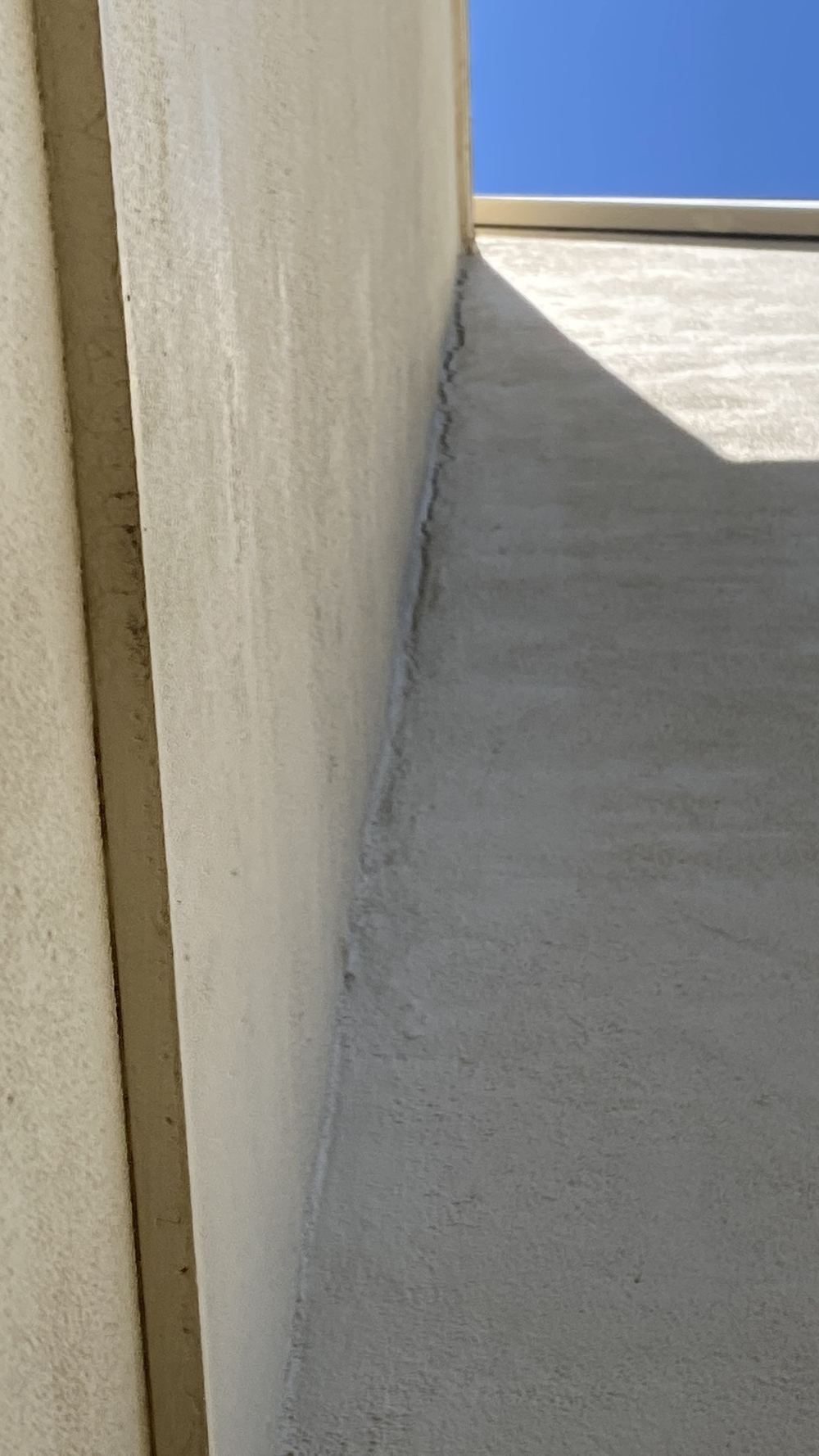
In the upstairs bathroom of a Castle Hill house there was no visible sign of a waterproofing membrane at the edges, no sealant at key junctions and no paperwork to show the work had been certified. The tiles looked fine. The question was what sat behind them.
Why it cannot be confirmed either way
A membrane lives under the tiles and behind the wall sheeting. A visual inspection to AS 4349.1 sees the edges, the junctions and the signs of water getting through, but it cannot lift tiles. So the honest finding is that no membrane could be seen, not that none exists.
Signs that make it more urgent
High moisture readings at the base of nearby walls, swollen skirting, efflorescence on floor tiles and mould in the sealant all point the same way. When they appear together the bathroom moves from a question to a likely repair.
Older renovations are the usual source
Many Castle Hill houses have had bathrooms redone over the decades, some before current wet area rules, some by owners. Those are the rooms most likely to come back with this finding.
What to do before exchange
Ask the vendor for a waterproofing certificate or the renovation paperwork. If there is none, get a licensed waterproofer's opinion and a repair figure, and factor it into your offer.
Written by our local inspection team from work carried out in Castle Hill. Licensed building practitioners, NSW Fair Trading licence 366177C.